Who We Are
Support 2 Independence is built on a simple belief: every person should be valued as an equal citizen, with the right to live a full, meaningful life. Our organisation is shaped by decades of experience and a deep commitment to person‑centred practice.
We are proud of the service we provide and even prouder of the positive difference it makes every day.
Our Vision
We believe in a future where people are supported to achieve their aspirations and live full, meaningful lives. Our vision is rooted in the belief that every person has:
Rights
Potential
Strengths
The Ability to contribute to their community
Our approach is guided by the Citizenship Model developed by Simon Duffy, ensuring people have independence, control and genuine opportunities to participate in everyday life.
What Being Person‑Centred Means to Us
Being person‑centred is at the heart of everything we do. It means:
Shaping support around each individual
Listening to what matters to them
Working with families, friends and support networks
Supporting people to live safely, confidently and independently
We recognise that every person is unique with their own ambitions, strengths and priorities.
Involvement
We actively encourage people to take part in decisions about their support, their routines, and their future. By involving individuals at every stage – from planning to day‑to‑day choices – we ensure their voice guides the way we work.
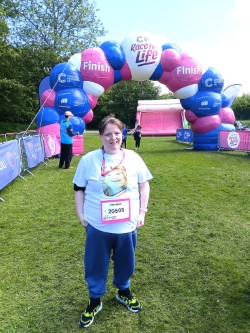
KERRIANN WOOLEYI took part in race for life; I ran on behalf of 2 dear friends of mine that sadly passed away. The run was to honour their love and to remember the joy they brought to me, and to keep their memories alive. It was nice to turn my grief into something positive and to help fight a terrible illness. Rest in peace Victoria and Nigel.
Why We Say “Person” and Not “Service User”
We choose not to use the term Service User. Labels like this describe people by their needs rather than by who they are. In the same way we wouldn’t call someone who shops at Tesco a “supermarket user”, we don’t define people by the services they receive.
People may use or receive support because of their needs or choices, but they remain first and foremost people — with identities, strengths, relationships, and aspirations. Our language reflects our values: dignity, equality, and citizenship.